


When it all goes wrong.
I read a quote not so long ago about dog training which said that all the novice handler wants to do is work on more advanced skills where as the advanced handler wants to work on basic skills. That is me. For clarity, I'm the former, not the latter.
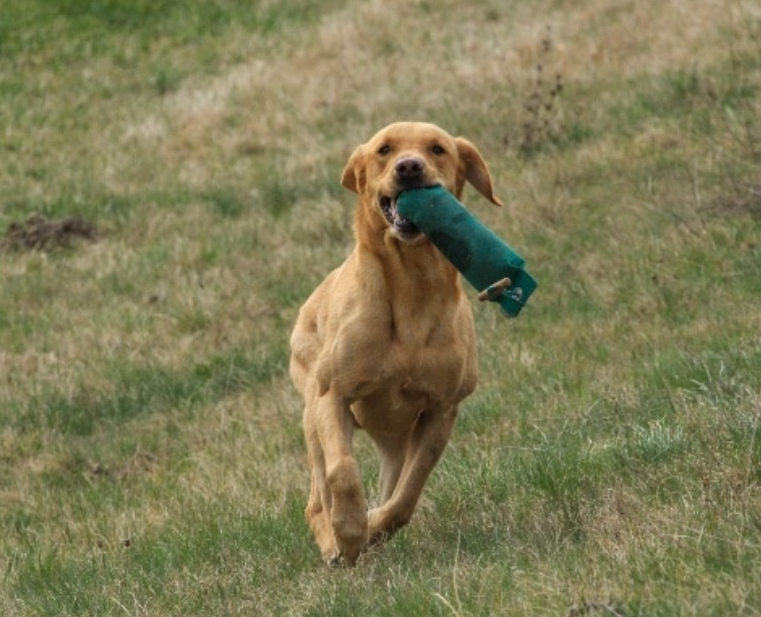
We started group gun dog training about a year ago. I don't think I'll ever forget how I felt during that first session. I actually thought my dog was reasonably trained as a 8 month old pup but seeing him run about like an idiot with no control left me feeling quite embarrassed. Fortunately, the people we were training with were so supportive and friendly, they reassured us that if we just stuck with it, we'd see the benefits.
As the weeks ticked by, we could see him, and us, improving. We learned how to hunt, retrieve, jump obstacles, give direction, stop whistle and also introduced him to the sound of shot. We were really enjoying learning new things and then using our time at home to continue that training.

At the start of each of our training sessions, we used to spend 10-15 minutes warming up. This was time we spent making our dogs sit steady, recall and heel while we tried to distract them by throwing dummies and making sure they continued to sit and not run about. At the time, I wanted to get through this part of training so we could start on whatever new exciting stuff we were doing that week. As a beginner handler, I didn't appreciate the power of making sure the basics were nailed to the floor.
Once our dog had learned to do something, I wrongly thought that was it, he can do that, so lets move on to something else more exciting. What I didn't appreciate was that if you don't continue to drill those basic skills regularly, you'll lose them to impulse over time. Our dog used to be quite steady on a retrieve when we first started, he'd always wait for the command before going out. Over time, his impulse started to take over and before long, even though he knew the rules, he'd run in on every one.

My favourite training exercise were the weeks when the trainer would get the dummy launcher out. As a beginner, this was so much fun. I was so absorbed in the dog going longer and longer, I forgot all about the steadiness and the hand off. So here we have a dog that loves retrieving off the launcher at long distances, he's quick and goes out straight enough but we now have to hold him on the lead and he drops every one on the way back. Fabulous eh?
By the time we realised we had a problem, it was too late, we have reinforced that behaviour. For months afterwards, we tried and tried to get him to deliver to hand but there was no chance. The big mistake we were making now was continuing to retrieve but accepting that he dropped it again and again. Even when we were trying to fix the problem, we were just making it worse.
On his return, we had been making him sit but without mentioning names, we had been told on numerous occasions to forget the sit at the end as that is what we were rewarding. I'll leave you to guess who that was but I can almost feel them shaking their heads at me for not listening. Sorry!
I remember being stood in the field and we said to each other, maybe he'll never be able to do this. We were genuinely about to give up and accept that he'll never deliver to hand.
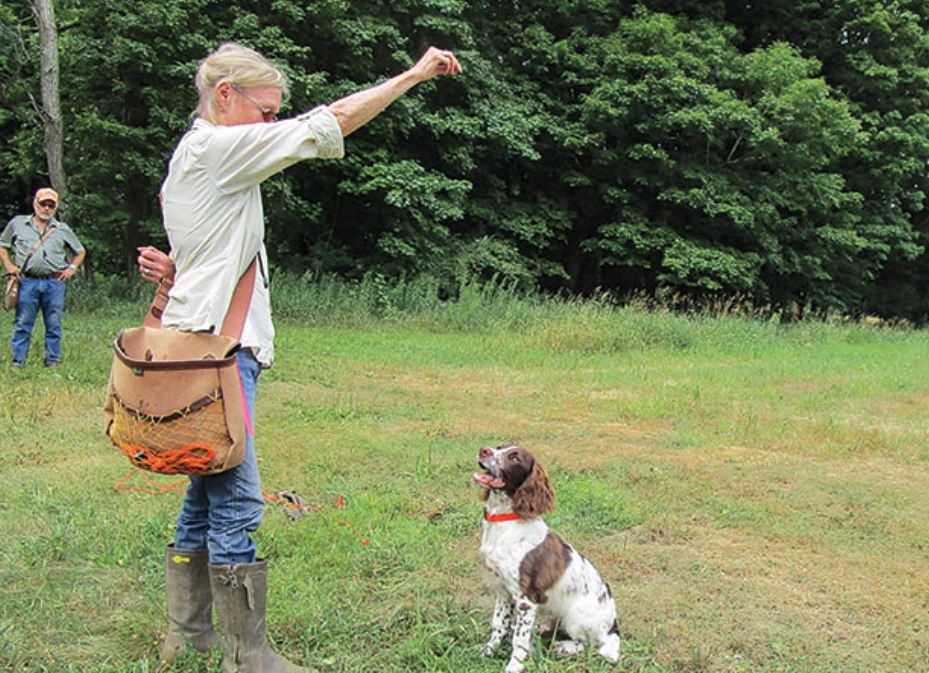
It was quite a few weeks later when we finally accepted that we had caused the problem and if we wanted to unpick it, we'd have to start all over again. Like anything which has been reinforced, it always takes longer. So, we knew what had to happen, back to basics.
We stopped all retrieving and went back to the beginning. We dug out the retrieve pouch we bought ages ago but never really used. This pouch is specifically designed for the dog to pick up and give to you as they can't get to the reward without your help.
First drill, we sat him up, showed him the treat being put in the pouch, then being wrapped up and sealed. We sent him to pick it up in the lounge and then sat on the floor recalling him. We had to be patient to allow him the time to figure out the only way to get the treat was to put this thing in our hand. It must of taken 10-15 minutes of him sniffing, pawing, pulling, etc to realise he wasn't going to get it and we just watched him. When he looked up for help, we recalled with our hand cupped.

This next bit we found was the turn in the road we wanted. Without reaching out and taking it, we cupped our hands and waited for him to pick it up, slid our hand underneath the pouch and as we took it, we paired the command "hand". We marked it with a "good boy" and then opened the pouch for him to get at the treat. We repeated that 4-5 times for each session and waited patiently for him to accept that the only way to get the treat was the place that pouch in our hand.
After 4-5 days of doing this, he started to place the pouch in our hand and often dropped it close. If he dropped it, we made him pick it up and put it in our hand. This time, the "hand" command was being given just before he placed the pouch in our hand. We now knew he understood what "hand" meant.
Now we knew he understood, we used the pouch in the garden so he had more distraction and more space to run about. Again, this went on for 4-5 days until we had a consistent result. Next up, we switched the pouch for a dummy and gave the same drill back in the lounge. 4-5 days later, we moved that into the garden. If he had an off day, we went back a step and repeated until we got the result.

From the Garden, we moved to the field. We kept the treat pouch on hand in case he went backwards so we could re-enforce the right behavior. We kept the training drills short and sweet and always finished on a high, even if that meant going backwards.
The result? Well, on the last simulated shoot we took him on, we let him pick up on a few drives and not only did he go out and back straight and picked clean dummies, every one was delivered to hand. It's not the prettiest, but it's a huge improvement.
He still has the odd relapse where he'll drop a dummy on the way back to have a sniff if he's in a new environment, but now he understands what is expected, I have no problem giving a correction for that.
This whole situation has taught us that you have to keep repeating the basics. Yes, as a beginner, it's tempting to want to do more exciting things but if you don't keep re-enforcing the basics, you dog will never be able to master more advanced handling drills anyway.

We've found it's a great way to engage our dog when we're out on walks. 5 mins here and there on a walk to sit while we walk away, or sit him up randomly and throw some dummies about just makes it part of our daily routine. It's also a great way of spending some productive time in the garden or when we're pottering about indoors.
We've learned our lesson the hard way but at least the penny dropped eventually. Proves I do listen after all! Maybe, sometimes.

Comments